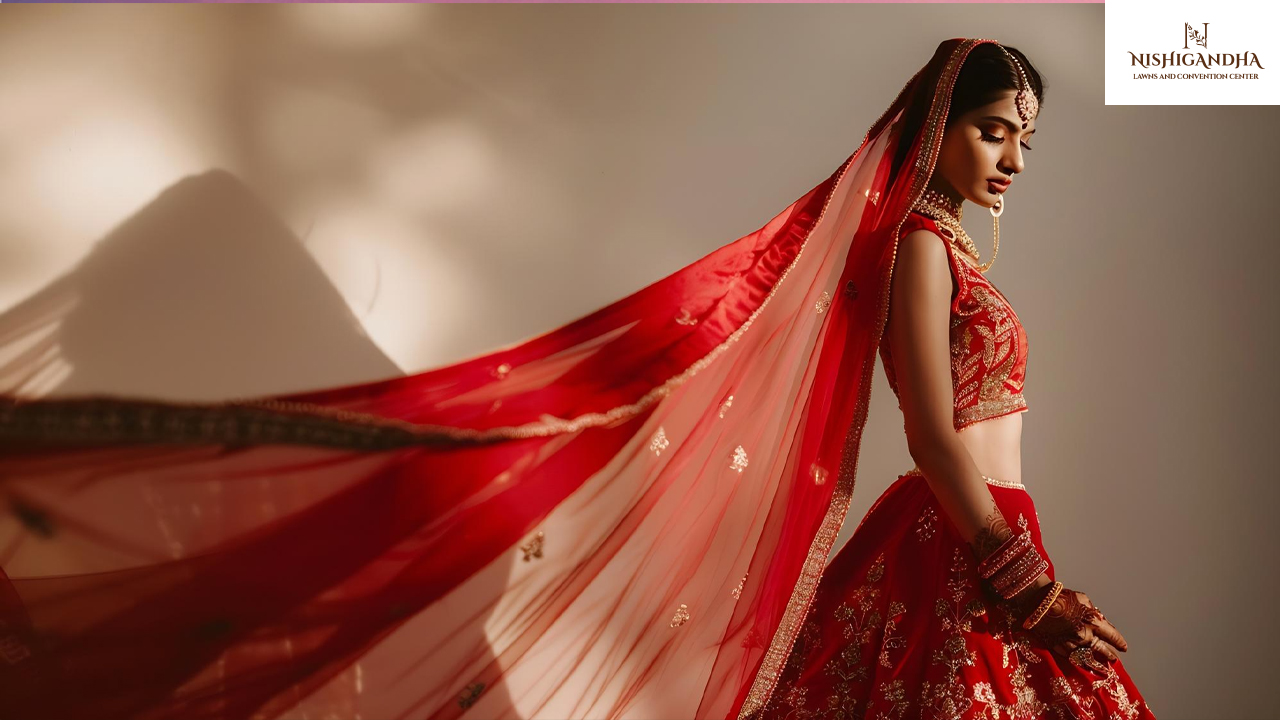
Here’s something most brides figure out a little too late. You spend months picking the perfect lehenga, then realise the dupatta is the piece that actually decides how the whole look lands. Same outfit, two different dupatta drapes, two completely different vibes. One can make you look like a magazine cover. The other can hide half the outfit and pull at your neck all night.
The dupatta isn’t an afterthought. It frames your face in every photo, it moves when you walk, and it’s the first thing people notice as you make your entry. So if you’re one of the brides of 2026 still deciding how to style yours, this guide walks you through the drapes that work, when to use them, and a few things nobody tells you until it’s too late.
Key takeaways
- The drape you choose changes your whole silhouette, not just the top half.
- Double dupattas and cape drapes are big with brides of 2026.
- Heavier dupattas need more pins and a lighter one for the reception.
- Outdoor and lawn weddings need wind-friendly draping, so plan for it.
- Always do a full trial with the exact drape before the day.
Why does the dupatta drape matter so much?
The drape decides your shape. A dupatta pinned high and wide makes you look taller and grander. One draped close to the body keeps things soft and elegant. The fabric, the weight, and where you pin it all change how you move and how the outfit reads in photos. Get the drape right and even a simple lehenga looks expensive.
Now let’s get into the actual styles.
The classic head veil
 This is the timeless one. The dupatta sits over your head and falls on both sides, framing your face like a soft frame. It suits traditional ceremonies beautifully and gives you that gentle, bridal feel. The catch is comfort. A heavy dupatta on your head for hours can get tiring, so many brides keep this for the pheras and switch to something lighter later.
Best for: temple weddings, morning functions, close-up photos.
The double dupatta
 Two dupattas, and it’s a big favourite with brides of 2026. One goes over the head or shoulder, and the second drapes across the front or waist. It adds volume, colour, and that layered, royal look. You can mix a heavier dupatta with a lighter net one so it feels grand without weighing you down.
Best for: brides who want a rich, full look without changing the lehenga itself.
The cape drape
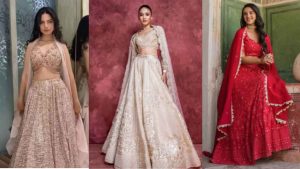 Instead of a regular dupatta, you wear a flowing cape or a dupatta styled like one, falling from the shoulders down the back. It’s modern, a little dramatic, and moves beautifully when you walk. This one photographs stunningly outdoors when there’s a soft breeze to lift it.
Best for: receptions, sangeet, engagement ceremonies, and open-air weddings.
The belt-tucked drape
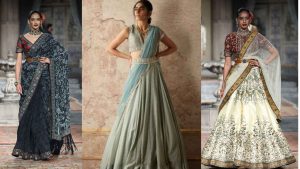 Here the dupatta comes across the front and gets held in place with a decorative belt or kamarbandh at the waist. It keeps the drape from slipping all evening and gives you a clean, defined waist. It’s practical and stylish at the same time, which is a rare combo.
Best for: long events where you’ll be moving, dancing, and greeting guests.
The front pallu drape
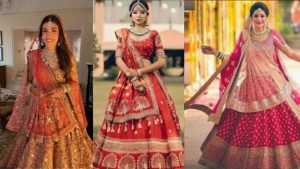 Inspired by the traditional Gujarati style, the dupatta comes over one shoulder and falls open across the front. It shows off the border and embroidery instead of hiding it. If your dupatta has beautiful detailing, this drape puts it on display.
Best for: showing off heavy borderwork and rich fabrics.
The single-shoulder drape
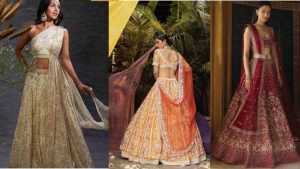 The dupatta is pinned neatly on one shoulder and left to fall behind. It’s simple, elegant, and keeps your hands free. This one is great for brides who don’t want to keep adjusting fabric all day. It also keeps the front of the lehenga fully visible.
Best for: reception looks and brides who want a fuss-free style.
The dupatta train
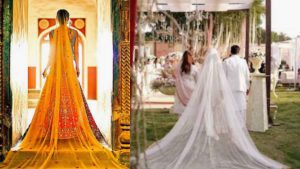 The dupatta is styled long so it trails behind you like a soft train. It looks regal in wide shots and during your entry, especially down an open aisle. Just make sure someone helps you manage it so it doesn’t drag through dust or catch on chairs.
Best for: grand entries and dramatic photos.
Match your drape to your venue
This is the part brides skip, and it matters more than you’d think. Where you get married changes what drape actually works.
Indoors, in a banquet hall in Pune or a covered convention centre, you have full control. No wind, steady lighting, so heavier and more detailed drapes hold their shape all evening. You can go big and it stays put.
Outdoors is a different game. On wedding lawns in Pune city or open turf grounds, there’s usually a breeze, especially in the evening. A light dupatta will lift and float, which looks dreamy in photos but can be a headache if it keeps blowing across your face. If your wedding is outdoors, pin more than you think you need, keep a lighter fabric handy, and test the drape in a bit of wind before the day.
The upside of an open setting is the light. Soft evening light on a lawn makes flowing fabrics glow in a way indoor lighting rarely matches. This is one reason so many couples now pick outdoor and turf venues around Hinjewadi and Mulshi for the ceremony. A destination wedding in Pune feel, greenery, natural light, and space for a dupatta train to trail behind you without hitting a wall.
A few things nobody tells you
- Always do a full trial with the exact drape, blouse, and jewellery. What looks great on a hanger can feel completely different pinned on you.
- Match your pins to your outfit and carry extra. You’ll need more than you expect.
- Think about your hairstyle and the drape together. A high bun and a head veil can fight each other.
- Keep a second, lighter dupatta for the reception so you’re comfortable when it’s time to dance.
- Tell your photographer which drape you’re wearing so they can plan the shots.
Final thought
Your dupatta does a lot of quiet work. It shapes your look, moves with you, and shows up in nearly every photo you’ll keep forever. Pick the drape that suits your outfit, your venue, and your comfort, then practise it until it feels easy.
And if you’re planning an open-air celebration where a flowing drape can really breathe, an outdoor venue makes a real difference. Places like Nishigandha Lawns and Convention Centre near Hinjewadi give you the space, the greenery, and that soft evening light that makes bridal fabrics look their best. Walk the grounds, picture your entry, and you’ll know if it’s the setting for your day.